CASE STUDY 5
At Omnify, I worked as a content writer supporting the content and product marketing functions of a growing scheduling and class registration platform used by small and medium-sized service businesses around the world. Our users included everyone from swimming coaches and cooking instructors to tennis court managers and HOA facility admins.
While I was officially part of the content team, the work quickly evolved into something more strategic. With every campaign we ran, we were crafting narratives that translated product features into real-world wins tailored to each industry.
Looking back, this work introduced me to the fundamentals of product marketing with a first-hand understanding of audience-specific positioning, use-case-based messaging, and storytelling designed to drive activation and adoption.
Timeline
May 2021 to July 2022
Industry
B2B SaaS
Scope of work
Market Research
BOFU Content
Link Building
Run targeted campaigns focused on specific industries and business types.
Create content that showed how Omnify could help prospects streamline operations, improve customer experience, and grow revenue.
Frame our core features like class scheduling, payment integration, and communication tools within real business contexts.
Omnify was versatile, but that versatility made generic messaging ineffective.
Small business owners had limited time and technical bandwidth, which meant we had to show value fast and clearly.
Our users didn’t want jargon, they wanted to know how this would actually help them run their business better.
Each use case came with unique pain points, requiring careful research and adaptation of messaging.
1. Focused on core segments
The team mapped out our key user groups, which included:
Swimming academies and sports coaching centers
Cooking and creative skill instructors
HOA and community facility managers
Yoga studios and wellness instructors
Courts and field booking admins
These groups became the foundation for our vertical-specific campaigns.
2. Built a library of use-case content
For each segment, I created tailored content that spoke to their world:
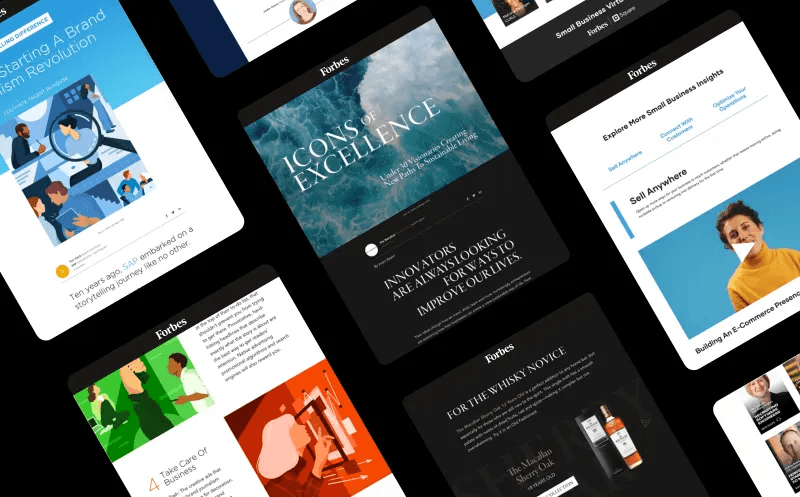
Blog articles focused on industry-specific scheduling challenges and how to solve them.
Guides and checklists walking leads through Omnify-powered workflows.
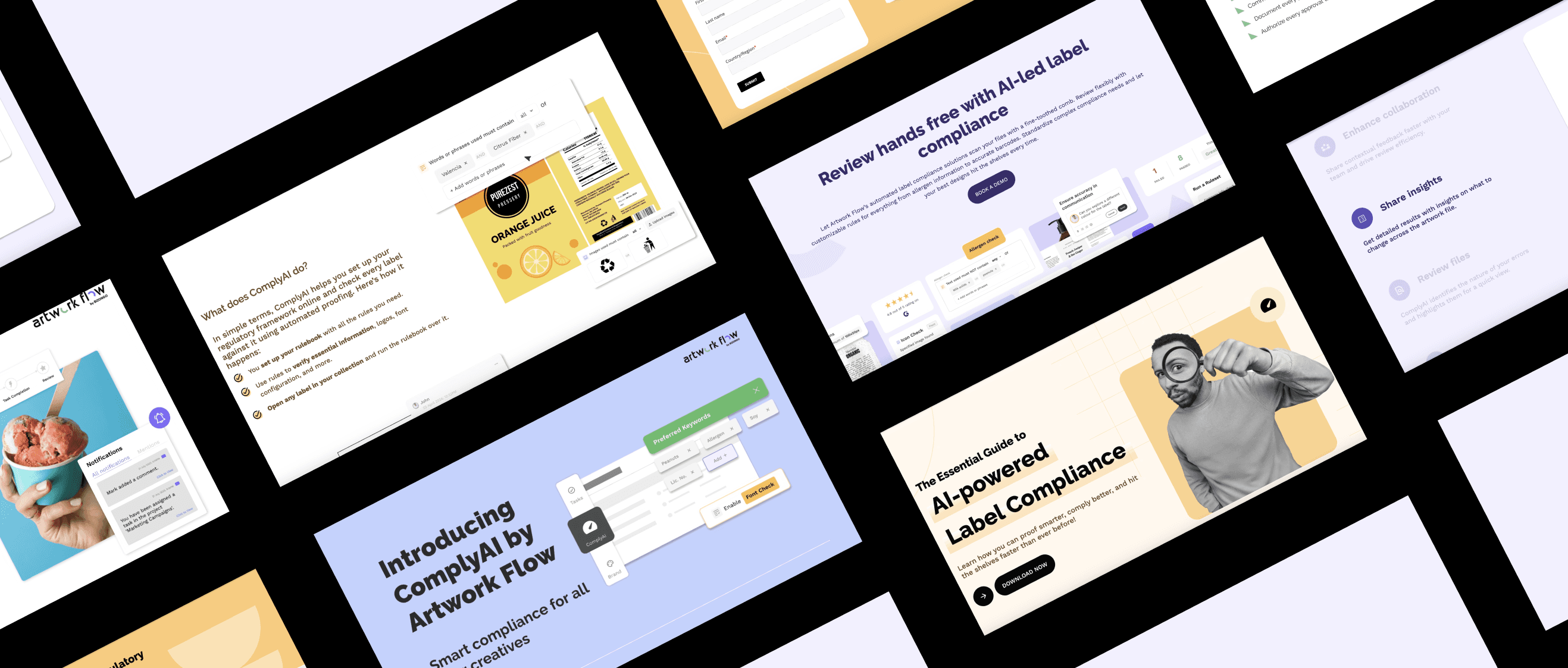
Explainer videos and visual content simplifying the product journey step-by-step.
Landing page copy tailored to each vertical’s top concerns (e.g., class capacity limits, automated reminders, revenue tracking).
The goal was to help each prospect see themselves inside the product—before they ever signed up.
3. Shared our content across channels
We ran email campaigns targeting specific user types.
Developed social media posts with relatable narratives and testimonials.
We also ran reachout campaigns to insert backlinks in third-party blogs where our audience was likely to find them.
Use-case content consistently outperformed generic messaging in terms of click-through and engagement.
The approach helped establish Omnify as a tool that “just works” for real business needs.
On a personal level, this experience gave me hands-on exposure to:
Framing features around customer pain points.
Educating leads through storytelling.
Creating campaigns that aligned with GTM objectives.
This was where I first learned that a feature means nothing without a setting.
Strong messaging doesn’t just explain what a product does, it shows people how to succeed with it.
These campaigns sparked my shift toward product marketing, and I’ve been scaling that instinct ever since.