CASE STUDY 6
As a content creator, generative AI absolutely terrifies me.
What took me years of learning, practice, and self-discovery, takes this string of code and logic mere seconds to pick up. And it could even outdo my efforts.
As a content strategist, generative AI thoroughly excites me.
What would take me—or any other writer—several hours or days, takes these cheeky chatbots mere seconds to deliver. And it can realize my vision with complete precision.
While ethical concerns are essential to address, the need for AI skills is already seeping into every industry and every use case. Since ChatGPT 4o came along, I’ve used the tool to automate operations and create more space for strategic thinking.
Timeline
June 2024 - Present
Industry
AI Creation
Scope of work
Prompt Engineering
Content Strategy
Creative Direction
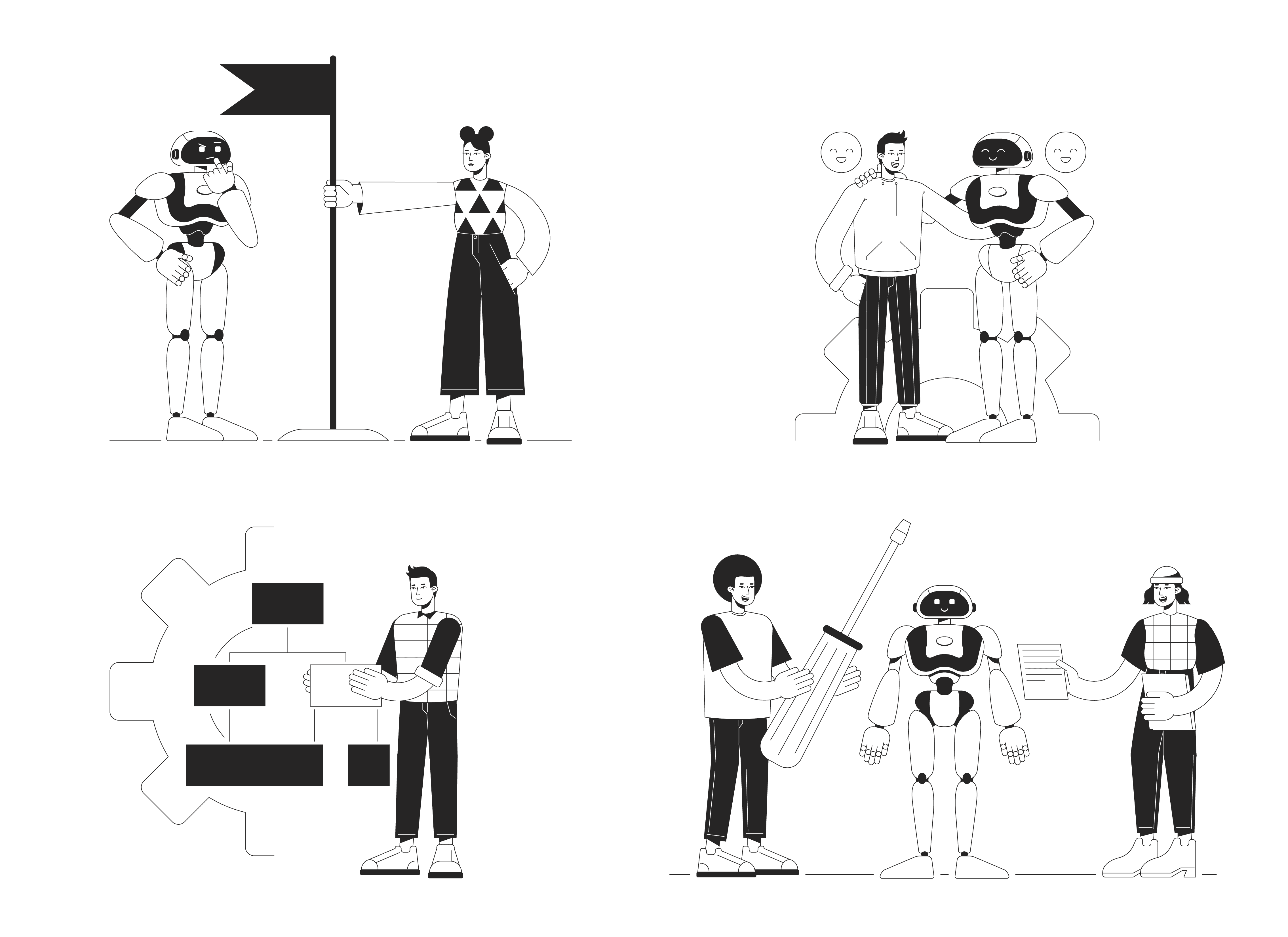
These experiments were primarily about testing how far I could push a tool built for speed into something closer to substance. I wanted to know:
Could I train AI to think and write in my voice, both tonally and structurally?
Could I use it to draft with velocity, but still shape and sharpen every word to reflect my intent?
Could I generate content that felt authored, not assembled?
And could I stretch its usefulness beyond words into visuals and layout, into the bones of a campaign?
While I started out as an AI-skeptic, this experiment has shaped how I now think about content creation, creative tooling, and the evolving role of writers in the age of AI.
AI-generated drafts often read as clean but hollow. They’re always technically sound, but tend to be emotionally vacant.
They always perfect the rhythm and everything they write descends into symmetry. For the trained eye, there are just too many “tells” that give it away
Without clear direction, the voice drifts into generic, even robotic, especially over longer sections. Google’s spiders would run.
Creative metaphors and human idiosyncrasies were hard to coax out and when they did come up, they’d rarely impress.
Visually, AI tools could be impressive, but only when given extraordinarily specific instructions
If I wanted the machine to sound like me, I’d need to teach it how I think.
I started writing with (and not just through) AI
I developed a prompt framework that mimicked the way I write. Each long-form content draft began with:
A high-context briefing that elaborated heavily on my positioning and intent.
Breaking the generation down to sections, including what tone should shift where, and what references could (or shouldn’t) be used.
Setting limitations or boundaries like avoiding rhetorical clichés, passive structures, and specific phrases or styling.
Exploratory prompt chains where I’d generate 2–3 options for intros, transitions, or analogies before refining and committing to a flow.
Then came structured refinement where I’d draft each section in isolation, edit it with care, and stitch it all together so the final piece felt authored, not outputted. In essence, this was a complete brainstorm and co-editing session rolled into one.
Picking up the AI-powered easel
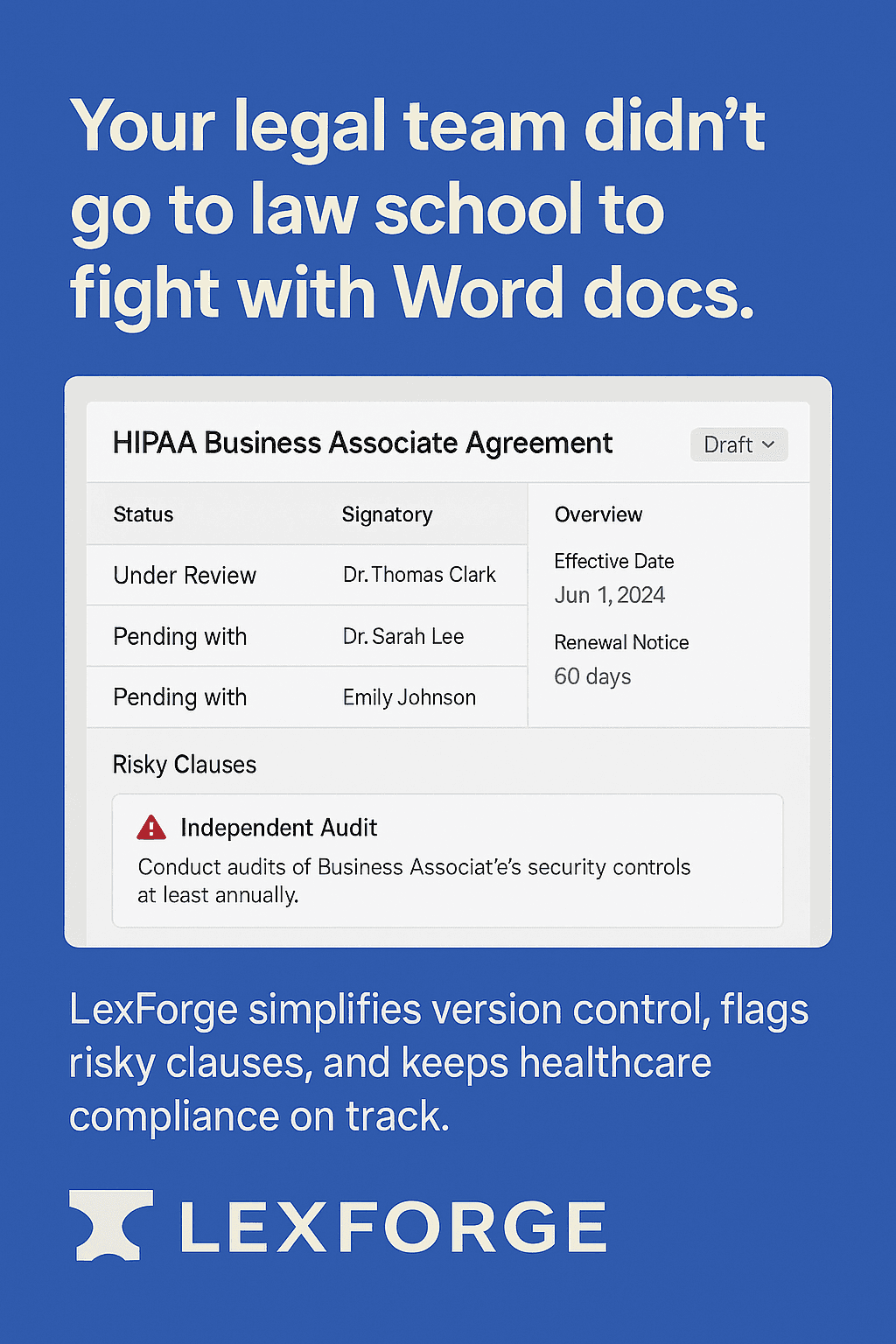
Beyond writing, I started applying similar thinking to ad poster concepts and branded visuals.
I included detailed creative briefs within the prompt, defining tone, mood, typographic preferences, and visual references, if needed.
This was followed by visual generation in iterations based on specific composition critiques like repositioning elements or shifting focal weight.
I developed test visuals for hypothetical campaigns to see how prototyping can be carried out to trim iteration time and initial creative effort on the design front.
The goal wasn’t to get final artwork or even the right design direction. It was to think visually and communicate those thoughts faster, clearer, and in more shareable formats.
I was able to write structurally faster and conceptually clearer, using AI as a partner.
I’ve built a library of constantly refined prompt templates for specific narrative challenges, from tone refinement to idea expansion.
I can generate test visuals that help shape campaign direction or design tone before execution.
AI can sound like a writer, but it doesn’t think like one. And that’s where the opportunity lies.
A good writer with AI writes faster.
A good editor with AI writes smarter.
A good strategist with AI builds systems for thinking.
This work taught me where to let go, where to lean in, and where to say “this part still needs a human.”