CASE STUDY 4
As Artwork Flow’s feature set grew more robust, so did the challenge of communicating its value quickly and clearly.
While Sales and Customer Success teams were already delivering personalized demos to qualified leads, there was still friction during early-stage outreach and discovery. Users were reading about features, but not really seeing them in action.
To bridge this gap, I proposed the integration of an interactive product tour platform that would empower us to quickly create any walkthrough we needed, without having to go through a design team already occupied with more immediate priorities.
Timeline
April 2023 - September 2024
Industry
B2B SaaS
Scope of work
Marketing Strategy
Product Marketing
Marketing Strategy
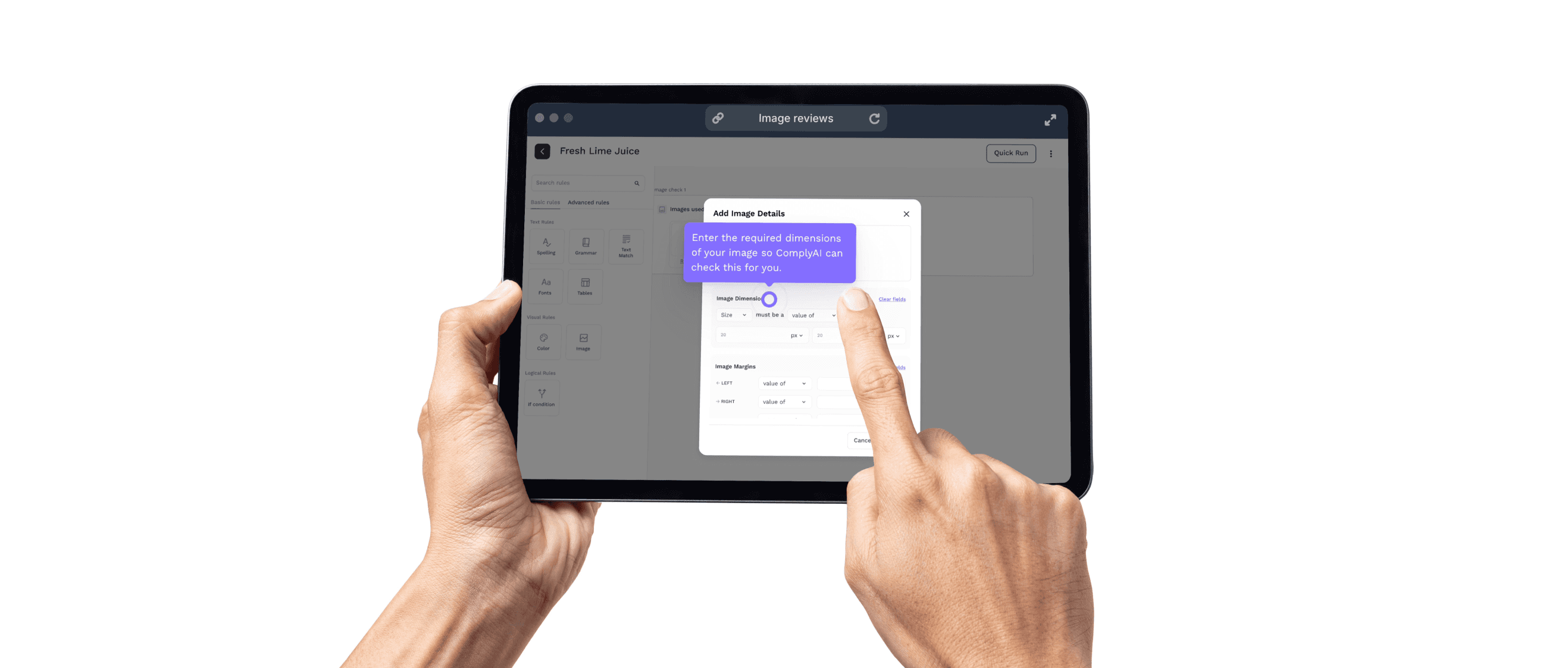
Increase engagement and dwell time on key feature landing pages.
Reduce friction for potential users during Sales outreach and pre-demo conversations.
Provide a self-serve way to explore the product for leads and prospects at every stage of the funnel.
Support the marketing site with a more interactive and conversion-friendly experience.
Ease the load on the design team without compromising on quality while empowering content marketers to develop experiences that meet their needs.
Landing pages were informative, but too static. Users couldn’t fully visualize the workflow or outcomes.
Some features were complex and needed more than a sentence or screenshot to be understood.
Not every visitor was ready to commit to a live demo—we needed to show value earlier.
Tool adoption had to happen fast, and we needed internal teams to build confidence using it independently.
1. Found the engagement gap
I started by analyzing scroll depth, bounce rates, and CTA interaction on our top-performing feature pages. Users were landing, but not exploring. It became clear they needed more context, and fast.
That’s when I pitched an interactive product tour tool to turn passive pages into product experiences.
2. Onboarded the right tool and set up best practices
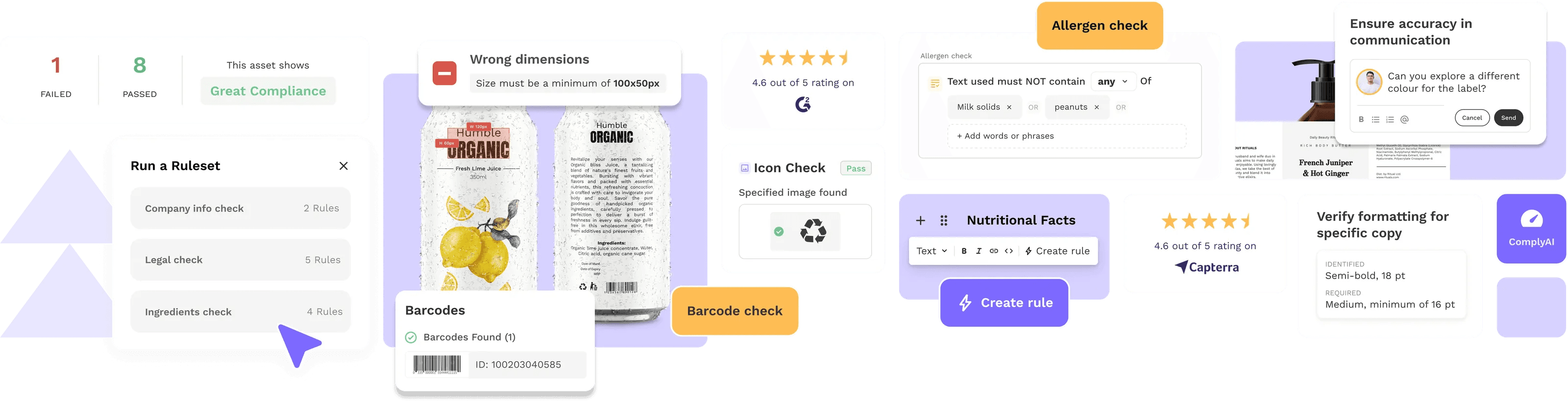
Evaluated and selected the product tour platform based on ease of use, visual clarity, integration flexibility, and cost.
Took charge of onboarding and implementation.
Ran working sessions with the Marketing team and developed an internal document to guide members through tour creation and maintenance.
3. Identified immediate requirements and plugged the gaps
Developed use case-driven walkthroughs, each structured around real user journeys.
Wrote intuitive, friendly copy that guided users without overwhelming them.
Used the tours to clarify key product concepts and use-case oriented workflows.
4. Maintained feedback loops across teams to iterate
Deployed tours across landing pages for our most valuable modules.
Prepared product tours and quick demo videos across modules and use cases to support the Product, Sales, and Customer Success teams.
Continued to tweak the copy, sequence, and entry triggers to match user behavior and incorporate feedback from internal stakeholders.
Time spent on feature landing pages tripled, indicating higher engagement and interest.
Sales and CS teams used the tours to pre-warm leads before live demos, shortening the discovery curve.
Marketing adopted the walkthrough model as a core element for future product communication.
Sometimes, the most effective pitch isn’t a paragraph, it’s a clickthrough.
Adoption only sticks when you support both the tool and the team.
Product marketing is about finding the moments where clarity is missing and designing experiences that say it better.